Like many, 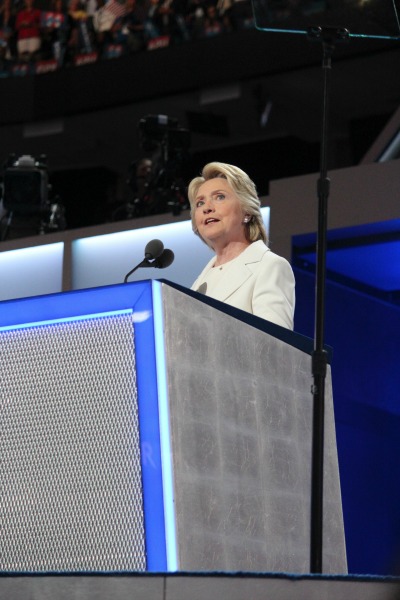 I watched Hillary Rodham Clinton accept the nomination of the Democratic National Committee, making her the first woman presidential candidate of a major political party, with a combination of hope, happiness, and pride, but what really resonated with me from her 56-minute speech were the words: “systemic racism”. It happened at about the 51-minute mark (54, if you started counting her speech from the introduction of her name and the 3-minute standing ovation she received from the crowd), where she said: “So let's put ourselves in the shoes of young black and Latino men and women who face the effects of systemic racism, and are made to feel like their lives are disposable”.
The words “systemic racism” struck me so hard because they were said by a major political party’s nominee, in a country that all too often is afraid of the word “racism”, even as they actively and aggressively practice it every day. Just hearing those words “systemic racism” within the course of Hillary’s speech where she talked about “working together”, “listening to each other”, “compromising”, and being “stronger together” where “love trumps hate”, meant so much to me, because saying those words and not dancing around the topic with coded language or other politically correct niceties makes finding solutions to systemic racism now a part of the conversation.
Dr. Maya Angelou speaks about the power of words and that words are things that have power and this power should be acknowledged. So, Clinton’s acknowledgement of such matters that impact Black and Brown people was quite astonishing.
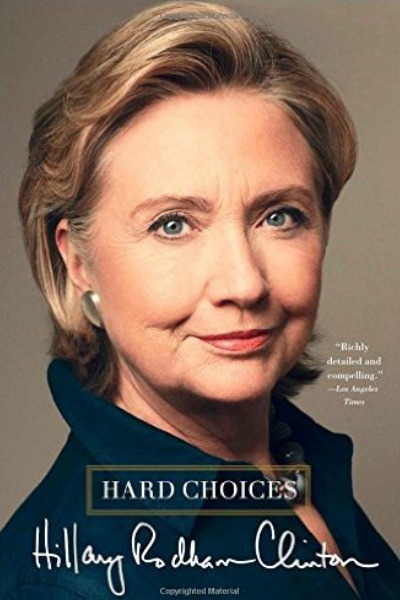 As Hillary outlined her plans for making America truly great, she noted the step-by-step, gradual processes that are needed to bring about changes to hearts, minds, and the law. In several recent publications, John McWhorter, an associate professor of English and Comparative Literature at Columbia University, has commented on Clinton’s need to go beyond dialogue and move towards systematic changes, positing “let’s have a national conversation, but make it about legislation, not feelings” (McWhorter, John. July 13, 2016. What Clinton Should Have Said About Race [Op-Ed]. NY Times.).
While I know she’s no stranger to pandering, I do believe someone who’s dedicated more than half her life to achieving a goal (i.e. the presidency), won’t squander that opportunity, and that she’ll bring the same dogged determination and tenacity that it took to ascend to that office, in achieving the goals she’s set to solidify her legacy in our American history books.
Now that “systemic racism” is on the table as a topic for discussion, I’ll be looking for the Clinton campaign, as well as other elected officials running for office on the local and state level, to add their proposed solutions to the conversation. I’m not content to let these two words fall by the wayside as mere “buzzwords” in a politician’s speech, and I suspect I’m not the only one who feels this way. But we shall see in the upcoming presidential debates to come how she positions policing, systemic racism, and the like.
You’re reading this now, so please share your opinion below*. I'd love your input.
*Note: You will need to register for an Institutional Diversity Blog account in order to comment, but you can get started right away by clicking here, or visiting our FAQ page for more help. Also, check out this video on "Registering for an Account on The Institutional Diversity Blog".
[…] Like many, I watched Hillary Rodham Clinton accept the nomination of the Democratic National Committee, making her the first woman presidential candidate of a major political party, with a combination of hope, happiness, and pride, but what really resonated with me from her 56-minute speech were the words: “systemic racism”. It happened at about the 51-minute mark (54, if you started counting her speech from the introduction of her name and the 3-minute standing ovation she received from the crowd), where she said: “So let’s put ourselves in the shoes of young black and Latino men and women who …Read More […]