Sometime ago I enjoyed the opportunity to offer a scholarly presentation on some things I learned through research about African American women and sexuality. The conference, “A Pattern of Diversity”, brings together academicians, other professionals, and lay people from various attitudes and interests regarding healthy human sexuality.
Typically, this gathering allows for growth and questioning in a safe environment of inquisitive minds. Except, this time around, one speaker had my mind racing with questions that raised my internal threat level to uncomfortable measures.
You see, I arrived there armed with a presentation fortified by history, research, and real life survivor stories about the impact of trauma, the intersection of violence and sexuality, and the continued dismissal of women of color from discussions about trauma and healthy sexual identity development. Then, I stumbled upon the plenary speaker: A beautiful, toasty-skinned sister with a large frame and a persona to match.
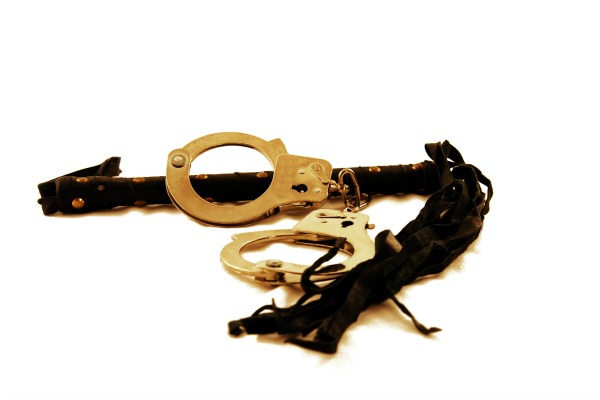 While we both were there to make the case for expanded minds toward the healthy conceptualization of African American females and sexuality, I quickly learned our goals would conflict. She wanted to talk about the need for inclusion of Blacks in the Bondage, Domination, Sadism and Masochism – BDSM – community. Here stood a towering Woman of Color, making the case for roughness over intimacy and suggesting to a largely Caucasian audience that there were others like her. The struggles of feminists, womanists, and civil rights activities came crashing down in laughter from the jokes created by “Jezebel”, the longstanding caricature in mainstream culture that shapes perceptions of Black female sexuality and victimization.
Through her humor, the speaker left listeners titillated and excited by the thought that Black women like their sex rough, thereby negating the work of those who strive to prove that rape is no myth and the lines for consent are not blurred. The danger is in the likelihood that the perception of promiscuity and inhumanity will continue to doggedly pursue women from all Indigenous backgrounds.
My workshop progressed as hoped, with thoughtful consideration about the challenges that Black women face in being considered healthy, credible, and desirable females in mainstream society. Yet, the number of individuals who attended reflected another case of “preaching to the chorus” of interested attendees who wanted the chance to talk openly about Black female sexuality using a combination of scholarship and lived experiences. While the overall number of people who selected my workshop was not disappointing, clearly it did not have the titillating draw of bondage and domination.
By contrast, my hope was to leave attendees with a revitalized view of the history and hurt of Women of Color and the traumatizing impact of physical and sexual violence that goes unaddressed in many institutional settings. Citing the works of scholars from the U.S. and UK, current health statistics, and even the Aboriginal Justice Council, the trauma that results from physical and sexual violence against oppressed females is a global issue.
The research according to Johnson (2006) affirms that Aboriginal women in Canada are more likely to experience partner violence despite low reporting rates. The U.S. Department of Justice (2005) reports women from Indigenous populations, including Native American and native Alaskan women are more likely to experience intimate partner violence than those from non-Indigenous backgrounds. Indigenous women in the United States experience the highest rates of domestic violence and were more than twice as likely to experience stalking or rape by an intimate partner in their lifetimes. Similarly, while approximately 17 percent of white women will experience an attempted or completed rape in their lifetime, that figure is still significantly less than Native American, biracial or African-American women.
The case is often made for the profitability of diversity and the appreciation for a racial milieu. Those who champion diversity and push for something greater than just awareness and knowledge, would be well served to add trauma recognition as part of the discussion as another possible lens through which to appreciate experiences in the shaping of a truly diverse culture.
My experience at this diversity conference provided another lens for me to appreciate diverse experiences and challenged my own views about what it meant as it raised my internal threat level by someone who looked like me.
I'm curious:
Have you had similar experiences where your own views about "diversity" were challenged by unsuspecting situations or people that made you uncomfortable?
I look forward to your responses below*, and I'd love your input.
*Note: You will need to register for an Institutional Diversity Blog account in order to comment, but you can get started right away by clicking here, or visiting our FAQ page for more help. Also, check out this video on "Registering for an Account on The Institutional Diversity Blog".
Leave a Reply
You must be logged in to post a comment.